Tokyo, Japan

Tokyo is Japan’s pulse fast, polished, and endlessly fascinating. It’s the kind of city where you can start the morning with a temple walk, spend the afternoon exploring fashion streets and museums, and end the night under skyscraper lights with a perfect bowl of ramen.

What makes Tokyo special is contrast and choice. Old Tokyo still thrives in neighborhoods like Asakusa, while areas like Shibuya and Shinjuku deliver the iconic cityscape giant screens, rooftop views, and nightlife lanes packed with tiny eateries. Food is a major reason to come: markets, depachika (department store food halls), sushi counters, izakayas, and snack streets offer a “try-everything” travel style without needing long transfers.

Tokyo is ideal for first-timers because it’s efficient, safe, and packed with variety. Whether you’re here for culture, shopping, anime, architecture, or pure food-tripping, Tokyo makes it easy to build a five-day itinerary that feels full—without feeling rushed.

Places to Visit
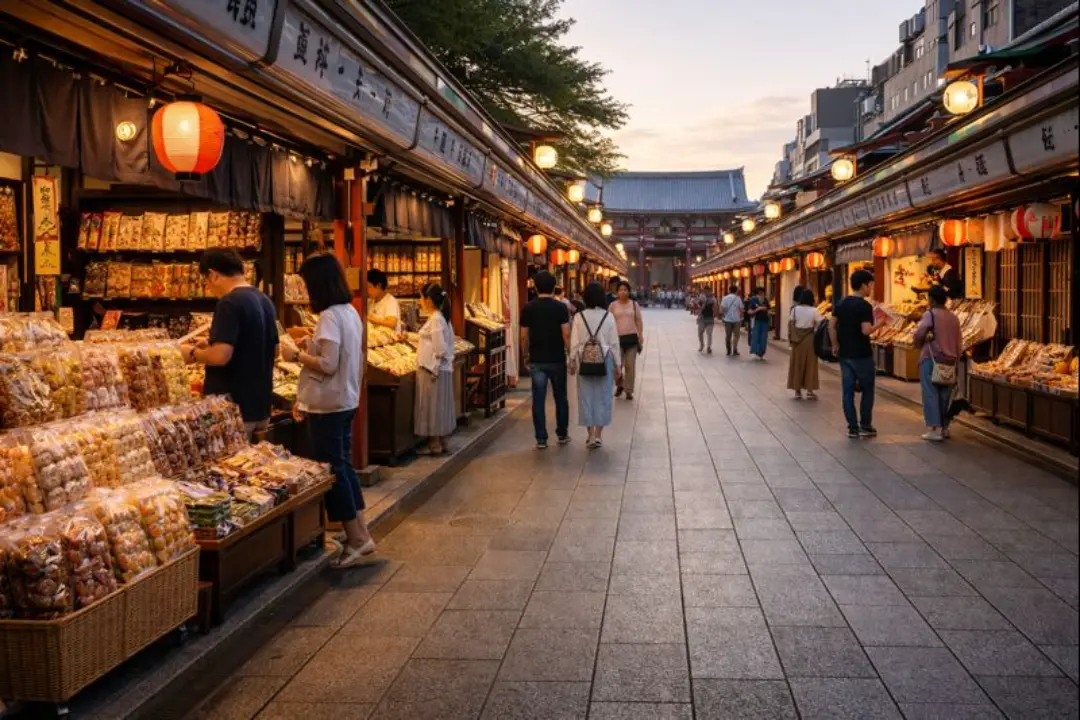
Sensō-ji Tokyo’s most famous temple area with classic gates and a lively approach street.
Nakamise-dori Snack-and-souvenir street leading to the temple; great for traditional treats.
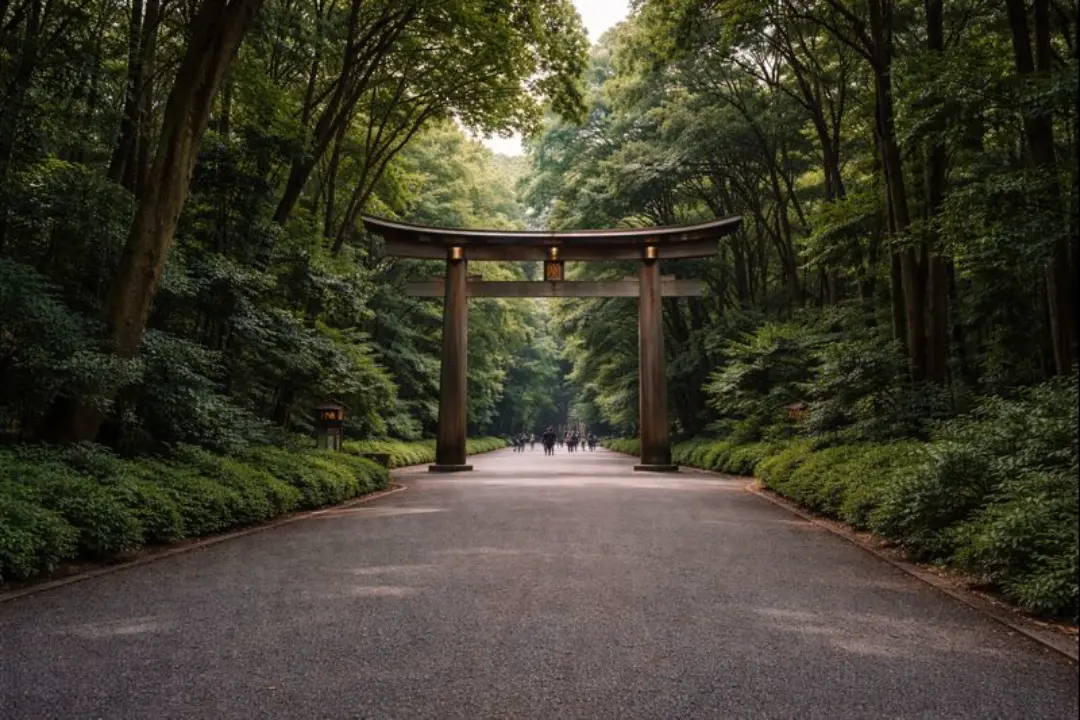
Meiji Jingu A peaceful forest shrine walk right beside Harajuku’s buzz.
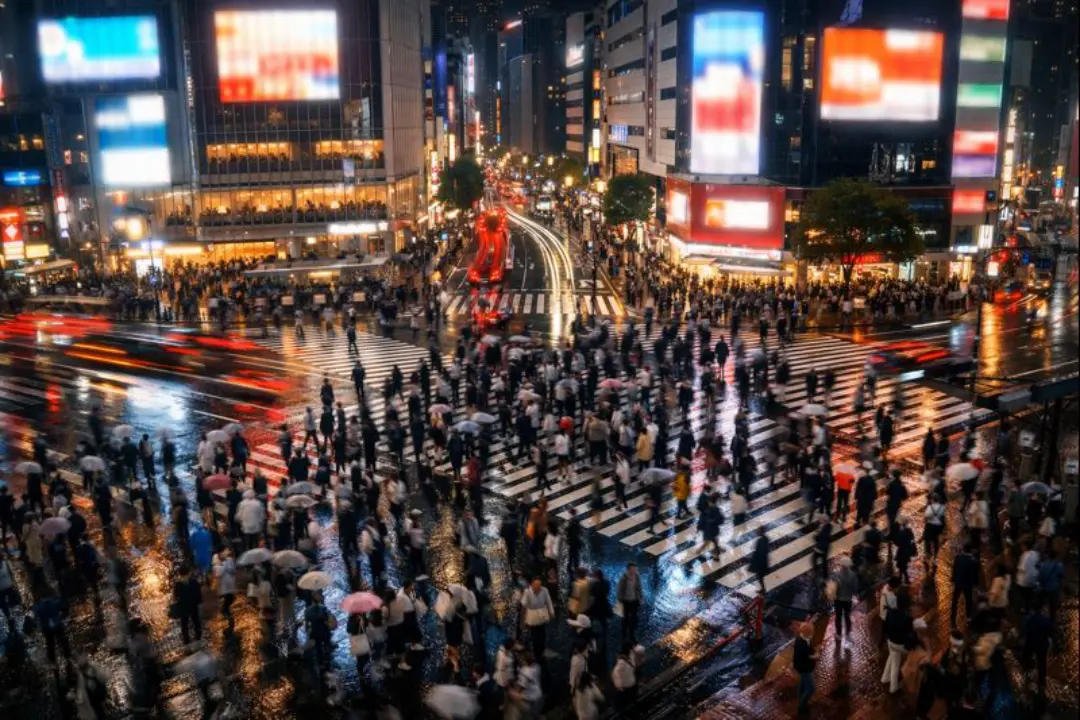
Shibuya Crossing The iconic scramble intersection—best viewed from above at night.
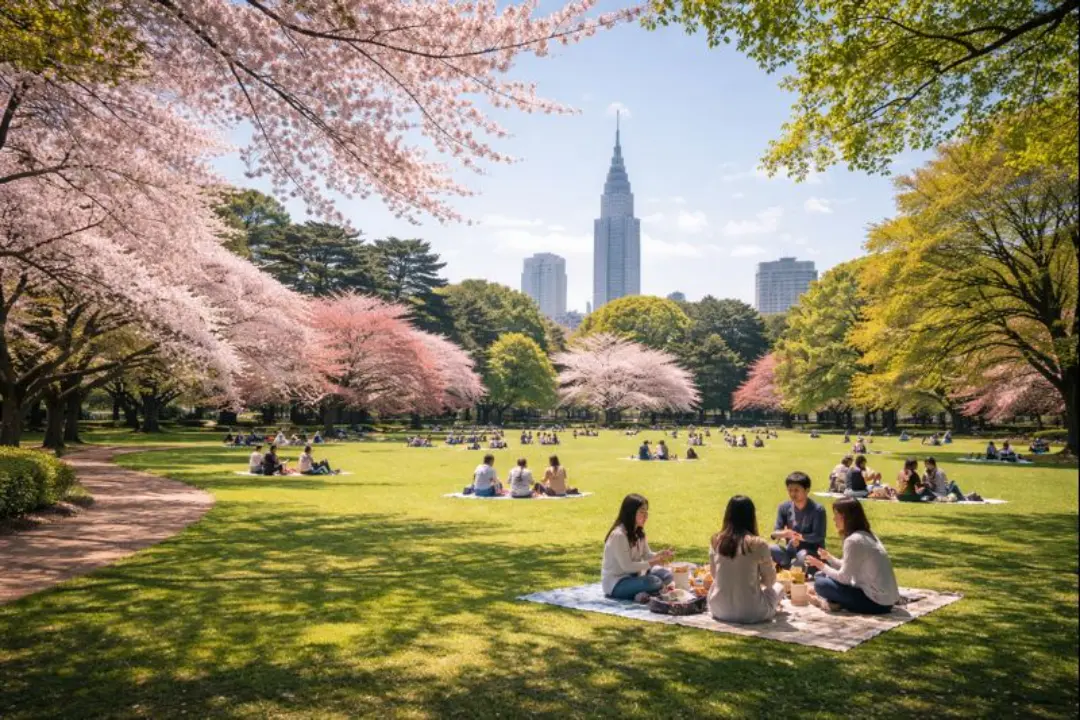
Shinjuku Gyoen National Garden Spacious garden for seasonal blooms and quiet city breaks.
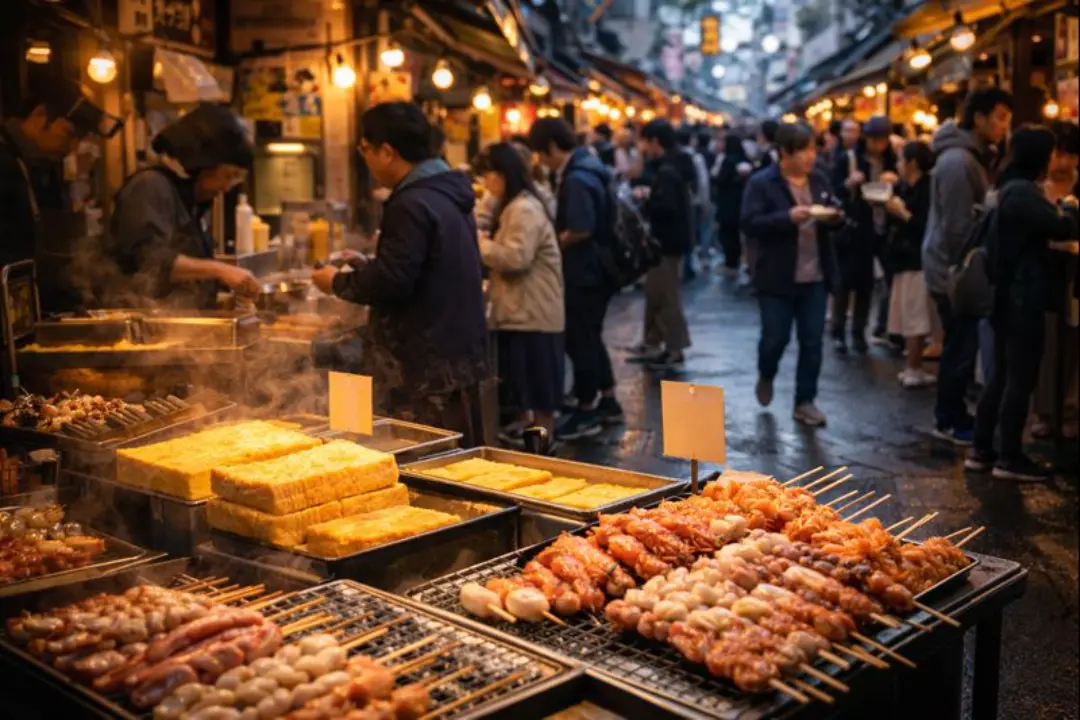
Tsukiji Outer Market Street food heaven: sushi bites, grilled scallops, tamagoyaki, and more.
teamLab Planets TOKYO Immersive digital art you walk through—one of Tokyo’s most unique modern experiences.
Tokyo Skytree High-deck views across the city; clear winter days can reveal Mt. Fuji.
Ueno Park Museums + wide park paths; also a major cherry blossom spot.
Recommended Day Plans
Day 1: Asakusa (temple + snack street) → Sumida riverside walk + Skytree observation deck → Riverside dinner, relaxed night views
Day 2: Meiji Jingu forest walk → Harajuku/Omotesando shopping streets → Shibuya Crossing + rooftop viewpoint
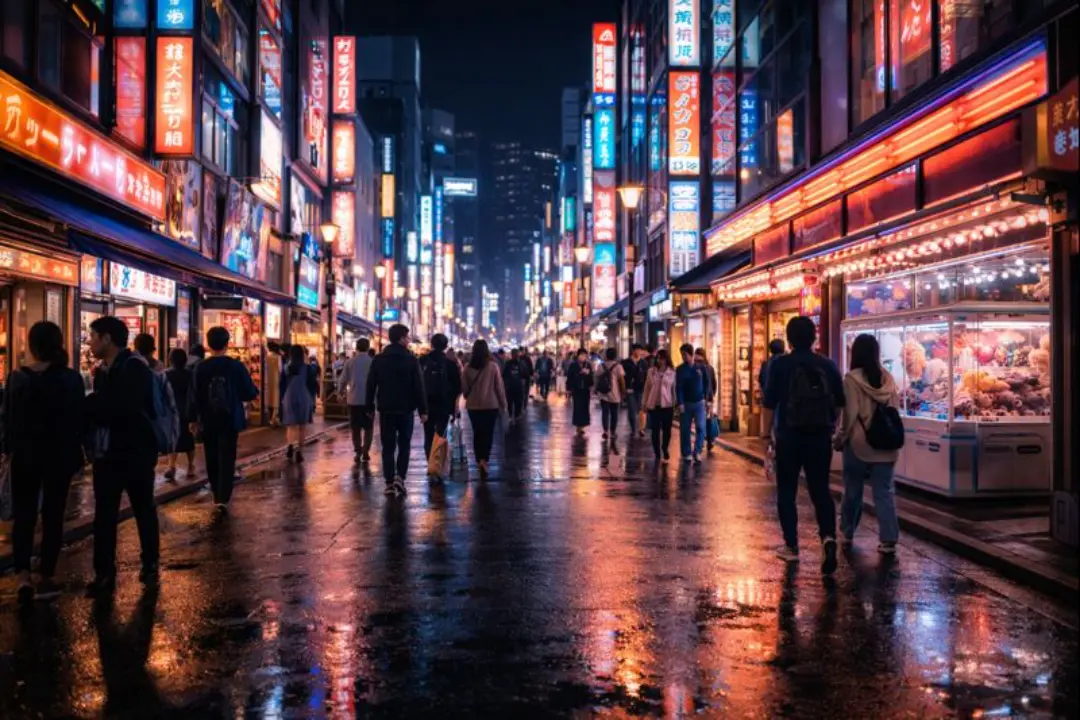
Day 3: Shinjuku Gyoen (slow start + photos) → Department stores / food halls / city shopping → Shinjuku nightlife lanes (yakitori/izakaya style)
Day 4: Tsukiji Outer Market food crawl → Ginza strolling + cafes → teamLab Planets + bay area night scenery
Day 5: Ueno Park museums area → Akihabara exploration (anime, arcades, capsule toys) → Final shopping + souvenir run (depachika treats)
Must do Activites
● Temple + traditional snack street walk (photo + food combo)
● Market breakfast crawl (sushi bites, grilled seafood, tamagoyaki)
● Rooftop skyline viewing at night (best “Tokyo moment”)
● Shrine visit with a quiet forest approach walk
● Depachika food hall tasting (packable gifts + desserts)
● Immersive digital art experience (walk-through exhibit)
● Night neighborhood food hopping (yakitori/ramen/izakaya style)
● Optional: river walk/cruise for a different city angle
Travel Info
● Get a transit IC card (Suica/PASMO) for easy taps on trains and convenience stores.
● Avoid peak rush hours if you’re traveling with luggage (weekday mornings/evenings).
● Many great food spots are small go early or reserve when possible.
● Keep some cash for smaller eateries, temple stalls, and older neighborhoods.
● Carry a small bag for trash public bins can be limited.
● Train etiquette matters: quiet voices, no phone calls, stand to one side on escalators (varies by area).
● Consider a pocket Wi-Fi/SIM for maps and station navigation.
● Tax-free shopping is common bring your passport when shopping.
Events And Seasons
Winter (Jan - Mar): Cold, clear city views; early blooms start toward late winter.
Hatsumode (New Year shrine/temple visit): January 1-3 (many people also go anytime in the first week of January).
Cherry blossom season begins (timing varies): Tokyo usually starts blooming late March, with full bloom typically ~1 week to 10 days after flowering.
Spring (Apr - Jun): Comfortable weather; peak flower season; festival season ramps up.
Sanja Matsuri (Asakusa area): 3rd weekend of May (example: May 15-17, 2026). Held around Sensō-ji/Asakusa Shrine.
Kanda Matsuri: Major parade festival in mid-May, with the full festival in odd-numbered years (even years are typically a smaller “shadow” version). Centered around Kanda Myōjin.
Sannō Matsuri: Held June 7-17 in even-numbered years (one of Tokyo’s “big three”). Associated with Hie Shrine.
Summer (Jul - Sep): Hot and humid; best time for fireworks + night festivals.
Sumidagawa Fireworks Festival: last Saturday of July over the Sumida River (classic Tokyo summer highlight).
Autumn (Oct - Dec): Cooler, comfortable travel; foliage then festive lights.
Autumn leaves season: Best viewing is usually mid-November to early December.
Tokyo winter illuminations: Many major displays run mid-November through December, and some continue into January or even February depending on the area
Subscribe to our newsletter

Sign up to receive updates, promotions, and sneak peaks of upcoming products. Plus 20% off your next order.

Promotion nulla vitae elit libero a pharetra augue